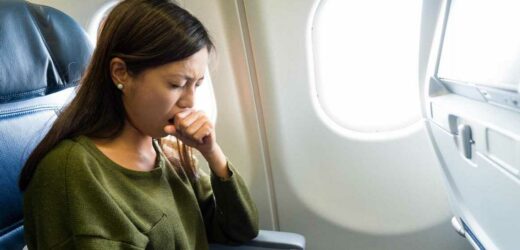
EVERY day more than 10 million people take a flight somewhere in the world.
While flying is relatively safe, the unique environmental conditions can put passengers at risk if they’re taking certain medications.

These include any hormone-based drugs, like the contraceptive pill and some fertility medicines, as well as drugs used to prevent heart attack and stroke.
Antihistamines are also not recommended.
While flying is one of the safest forms of travel, there are specific risks that come with air travel, regardless of the length of the flight.
Passenger planes are typically pressurised to the same atmospheric conditions that are found at 10,000 feet altitude.

At that level, the effective oxygen level is only 14.3 per cent, which is much lower than the 20.9 percent found at ground level.
An additional risk is reduced blood flow from a lack of movement and sitting in cramped conditions.
Dehydration is also a common side effect of flying due to the lack of humidity in the air.
When these conditions are combined, it results in an increased risk of deep vein thrombosis, which is also known as DVT.

The contraceptive pill and hormone medications
Some brands of contraceptives for women such as the tablet and implant are known to increase the chances of a blood clot, although the overall increase in risk is small.
Likewise, hormone replacement therapy, particularly those that include estrogen, or some fertility medicines, such as gonadotrophins, can increase the risk of a blood clot.
If you take one of these medicines, it does not mean you cannot fly, nor that you should necessarily stop taking the drug.

Many millions of women fly while taking these medicines and suffer no ill effects.
But the risk is also increased if you have an underlying health condition that includes type II diabetes, heart disease, and prior heart attacks or strokes.
Because of this, passengers who also take medications to help prevent heart attacks and strokes should consult their doctor or pharmacist before flying.
If you’re at increased risk of a blood clot, then an anti-platelet medication may be suitable for you.
These medicines act by stopping the blood cells from sticking together.

Antihistamines
Many passengers can have trouble sleeping when flying, especially on long-haul flights.
In these instances, many will turn to sedating antihistamines, like promethazine to try to induce sleep. But this is a bad option.
The Australian Medical Association specifically recommends parents do not do this, as sometimes it can have the reverse effect and make children less sleepy and more active.
MOST READ IN TRAVEL
SITTING COMFORTABLY 
I’m a frequent flyer and here's the best economy seat for long-haul

I'm a Disney expert and here's the biggest mistake you can make at the park

I was a hotel secret shopper and there are 3 things to do to get a free upgrade

EasyJet issues Spanish island warning for Brits booking package holidays
These types of antihistamines are also known to depress breathing, and in the low oxygen environment of the aircraft this can be especially dangerous.
If you feel you or another family member will need sedation when flying, don’t use an antihistamine. Consult your doctor or pharmacist for a more suitable medication.
Examples include prescription sleeping tablets, such as melatonin, or natural remedies, such as valerian.
This article by Nial Wheate, Associate Professor and Program Director of Undergraduate Pharmacy at the University of Sydney is republished with the permission of The Conversation.
Source: Read Full Article

