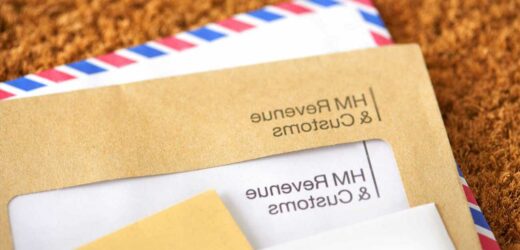
THOUSANDS of people could be slapped with a huge bill after the interest charged for late tax payments is hiked in days.
HM Revenue & Customs (HMRC) charges interest on unpaid taxes and this interest rate is set to hit a 13-year high in a matter of days.

Customers who don't pay their taxes on time will now face a 4.25% late payment fee, up from the current rate of 3.75%.
HMRC said: "The late payment interest rate encourages prompt payment.
"It ensures fairness for those who pay their tax on time."
This will affect late payments for the majority of personal taxes and will affect the millions of people who have to file their own tax return.
READ MORE IN MONEY

I’m a tax expert – here are five simple ways you can save hundreds NOW

Six ways to pay less tax – and it could save you THOUSANDS
Taxes include income tax, national insurance contributions, capital gains tax, stamp duty and inheritance tax.
The rise will come into force on Tuesday August 23 and will see the late payment interest rate rise by 0.5 percentage points from its current level of 3.75%.
The new interest rate up by 1.5% points since the start of the year.
In January, late payment interest was charged at 2.75%.
Most read in Money

Get ready for the £14 PINT – pub tipple could skyrocket unless Govt step in

Seven benefits worth up to £689 you can claim with a mental health condition

Tesco Clubcard holders warned over shopping mistake that could mean you pay MORE

Couple's horror as winning lottery ticket SHREDDED by their pet dogs
You'll be liable for late payment charges from the date the payment way due until the date at which HMRC receives the payment.
How is the late payment interest rate calculated?
HMRC links its interest rates on late payment charges with the Bank of England's base rate.
Late payment interest is set at the base rate plus 2.5%.
The base rate increased from 1.25% to 1.75% earlier this month to try and counter rampant inflation which is predicted to hit 13% by the end of the year.
How to avoid the high fee
The best thing you can do to avoid the new late repayment fee is to make sure your taxes are paid up on their set due date.
You'll only be charged the repayment interest rate if you pay up on time which will be 3.5% points lower than the late repayment fee.
How do you know if you need to submit a tax return?
Self-assessment is a system HMRC uses to collect income tax.
Tax is usually deducted automatically from wages, pensions and savings, but people and businesses with other incomes must report it in a tax return.
This applies to the following:
- Earned more than £2,500 from renting out property
- You or your partner received high income child benefits and either of you had an annual income of more than £50,000
- Received more than £2,500 in other untaxed income, for example from tips or commission
- Are self-employed sole traders
- Are limited company directors
- Are shareholders
- Are employees claiming expenses in excess of £2,500
- Have an annual income over £100,000
Before you can complete and submit your tax return, you'll need to have a so-called unique taxpayer reference (UTR) and activation code from HMRC.
This can take a while to receive, so if it's the first time you're completing self-assessment, make sure you register online immediately and ask HMRC for advice.
To sign in or register visit the "Self Assessment tax return" section of HMRC's website.
If you've already signed up for self-assessment, you can find your UTR on relevant letters and emails from HMRC.
HMRC accepts your payment on the date you make it, not the date it reaches its account – including on weekends.
If you need to change your tax return after you've filed it, you can do so within 12 months of the original deadline or you can write to HMRC for any changes after that.
Filling in your tax return can seem daunting, but with our step-by-step guide you'll have it sorted in no time.
What to do if you can't pay right now
You should get in touch with HMRC and let them know you’re having issues. They may allow you to spread your payments.
Citizens Advice recommends that you ask to talk about a ‘time to pay agreement’. An agreement will give you either more time to pay, or a schedule to pay your tax in instalments.
It’s a good idea to do this rather than bury your head in the sand.
You can contact HMRC online or by phone on 0300 200 3300.
Read More on The Sun

My neighbour parks in the most idiotic way – everyone’s saying the same thing

Warning after shark spotted near popular UK beach
You can also write to them at:
Pay As You Earn and Self Assessment
HM Revenue and Customs
BX9 1AS
United Kingdom
Source: Read Full Article

